Here's the thing nobody tells you about your bank: it's not really a vault. It's a business. And like any business, it has learned that the easiest money in the world is the money you don't notice leaving.
I learned this the hard way last spring when I finally sat down with a highlighter and three months of statements. I found $47.12 in charges I could not explain. Not fraud. Not a stolen card. Just… fees. Little ones. Sneaky ones. The kind that don't warrant a phone call individually but add up to a weekend getaway over the course of a year.
Once you see it, you can't unsee it. So let me show you what's hiding in there — and, more importantly, how to make it stop.
The $5 Billion Problem Nobody Reads About
Banks in the U.S. pull in billions annually from what the industry politely calls "non-interest income." Translation: fees. Overdraft charges alone have hovered around $5–$6 billion a year in recent times, even after several big banks trimmed their policies. That's not a rounding error. That's a revenue stream built on distraction.
Here's what most people miss: these fees aren't accidents. They're designed. The overdraft fee that hits before your paycheck clears? The "maintenance" charge that appears if your balance dips below a magic number you never agreed to? These are features of the product, not bugs.
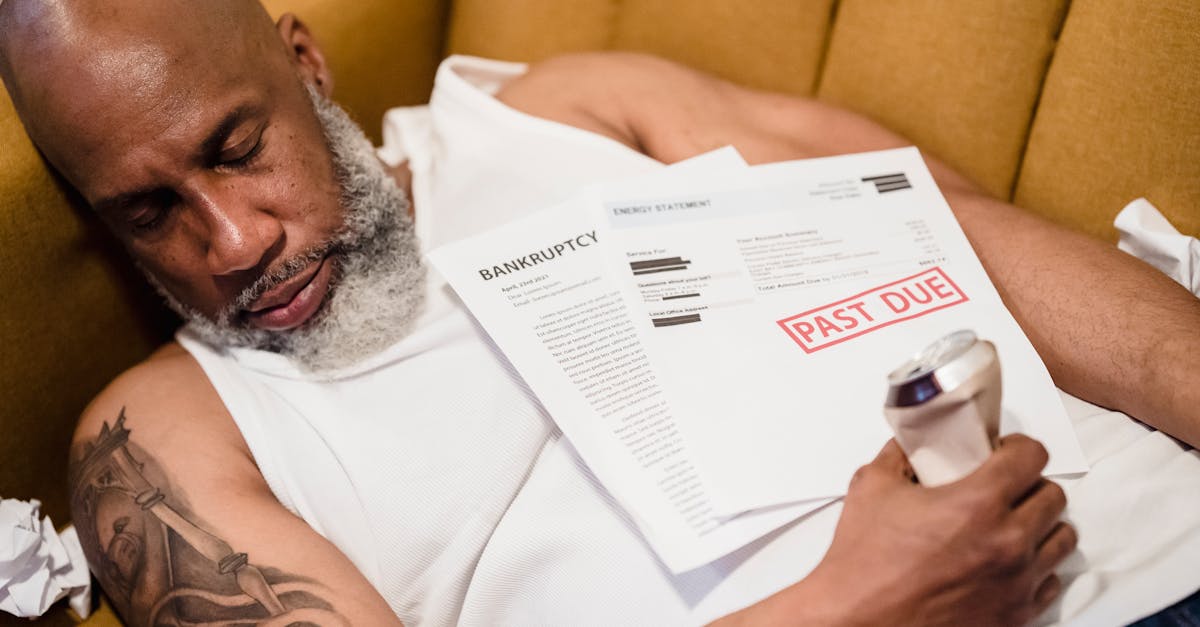
Let's be honest — most of us skim our statements for the big stuff and ignore the rest. That's exactly the behavior fee schedules are built around.
The Usual Suspects (I Bet You Have at Least Two)
I've found that the fees quietly draining bank accounts fall into a predictable lineup. Check your last statement against this list — I'd bet money you'll spot at least a couple:
- Monthly maintenance fees. Often $5–$12, waived only if you jump through hoops (direct deposit, minimum balance, a certain number of transactions). The hoops are the point.
- Overdraft and "courtesy" fees. Typically $25–$35 a pop. Note the word courtesy — as if letting a $3 coffee overdraw your account and charging you $35 is a favor.
- ATM out-of-network fees. Your bank charges you, and the ATM owner charges you. Double dip.
- Paper statement fees. Yes, some banks charge you for the privilege of mailed paper. Usually $2–$5 a month.
- Inactivity fees. Your money sits there and the bank charges you for… not touching it.
- Foreign transaction fees. Typically 3% on purchases abroad — or even on some online purchases from overseas merchants.
Add a couple of these together and you're looking at $150–$300 a year evaporating. On nothing.
Why Your Bank Is Banking on You Not Noticing
Here's a stat that genuinely stunned me: according to survey data over the years, a large share of Americans — often cited around half or more — don't know their own bank's fee structure. Half! We comparison-shop for a $30 toaster and sign up for a checking account like it's a formality.
Banks know this. They also know that switching is a hassle, so once you're in, the fees can creep. It's the financial equivalent of a gym membership you forgot to cancel — except with your rent money as collateral.
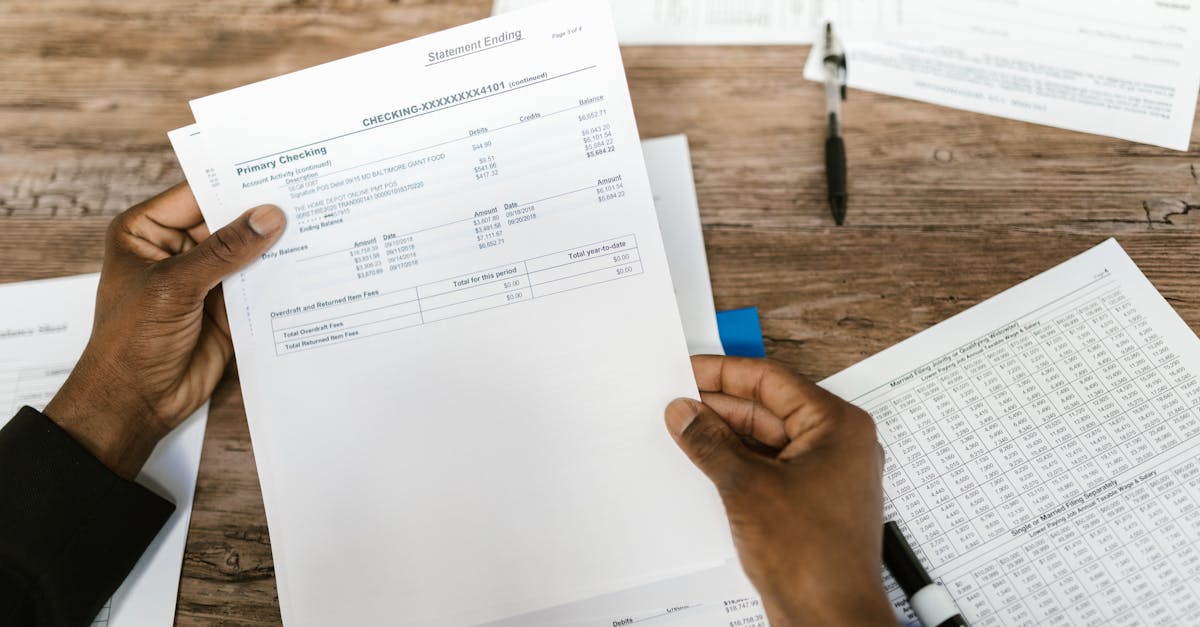
The fix starts with one uncomfortable afternoon. Download your last three statements, search for the word "fee," and tally it up. I promise the number will annoy you into action.
The Script That Gets Fees Reversed
Now for the part that feels like a magic trick but isn't: you can ask for fees back. Banks build small refunds into their models because most people never call.
I've done this three times in the past two years. Here's my approach:
- Call, don't chat. Phone reps have more discretion than web forms.
- Be calm and specific. "I see a $35 overdraft fee on March 12th. I've been a customer for six years and this is my first one. Can you reverse it?"
- Ask about fee-free account tiers. Many banks have them — they just don't advertise loudly. Ask directly: "Is there a version of this account with no monthly fee?"
- Mention competing offers. A polite "I'm reviewing my banking options" works wonders.
Success isn't guaranteed, but the hit rate is high enough that skipping the call is basically donating money.
The Setup That Fees Hate
Long-term, the goal is a bank account that doesn't nickel-and-dime you. Here's what I look for now — and what I tell friends to demand:
- No monthly maintenance fee, period. No conditions attached. They exist.
- No overdraft fee on small transactions. Some banks now decline a $4 purchase instead of charging you $35. That should be the standard.
- Free ATM access or generous reimbursement. If a bank wants my business, it can cover my out-of-network withdrawals.
- Alerts turned on. I set a low-balance alert at $100. It's the single best free feature in banking and almost nobody uses it.
Online banks and credit unions often beat the big names here — but not always. Read the fee schedule. Yes, the boring PDF. Ten minutes of boredom beats $200 a year of quiet bleeding.
Your Money Is Quietly Voting for This
Here's the thought I can't shake: every fee you don't contest is a vote for the system that created it. Banks charge what we let them charge. The fees are hidden, sure — but they're hidden in plain sight, printed in a schedule we never open and a statement we never read.
So here's my challenge to you. Tonight, before you do anything else, open your banking app and search your last statement for the word "fee." Tally it. Then call and ask for it back.
If enough of us do that, the quiet drain gets a lot louder — and that's exactly what needs to happen.
